Why Being Pain-Free Isn’t the Same as Being Golf-Ready
Many golfers struggle when trying to return to golf after injury, even when they’ve been told they’re fully recovered.
If you have completed rehabilitation for a golf injury and been told you are “fine”, but something still does not feel right when you swing, you are not alone.
Many golfers experience this exact pattern:
- Pain settles during rehab
- Strength and range improve
- They are discharged
- They return to golf
- Symptoms, stiffness or hesitation return
On paper, rehab worked.
On the golf course, it did not feel that way.
This article explains why rehabilitation can appear successful in the clinic yet fall short when you return to golf and what truly golf-specific rehab should include.
Why Traditional Rehab Works in the Clinic
Most rehabilitation programmes are designed to:
- Reduce pain
- Restore joint mobility
- Improve strength
- Calm irritated tissue
- Improve basic movement patterns
For many musculoskeletal injuries, this is appropriate and necessary.
If you had lower back pain, shoulder pain, knee pain or hip stiffness, rehab likely helped reduce inflammation and improve load tolerance in controlled settings.
Clinically, that is a positive outcome.
But golf places very different demands on the body.
Golf Is Not a Clinical Environment
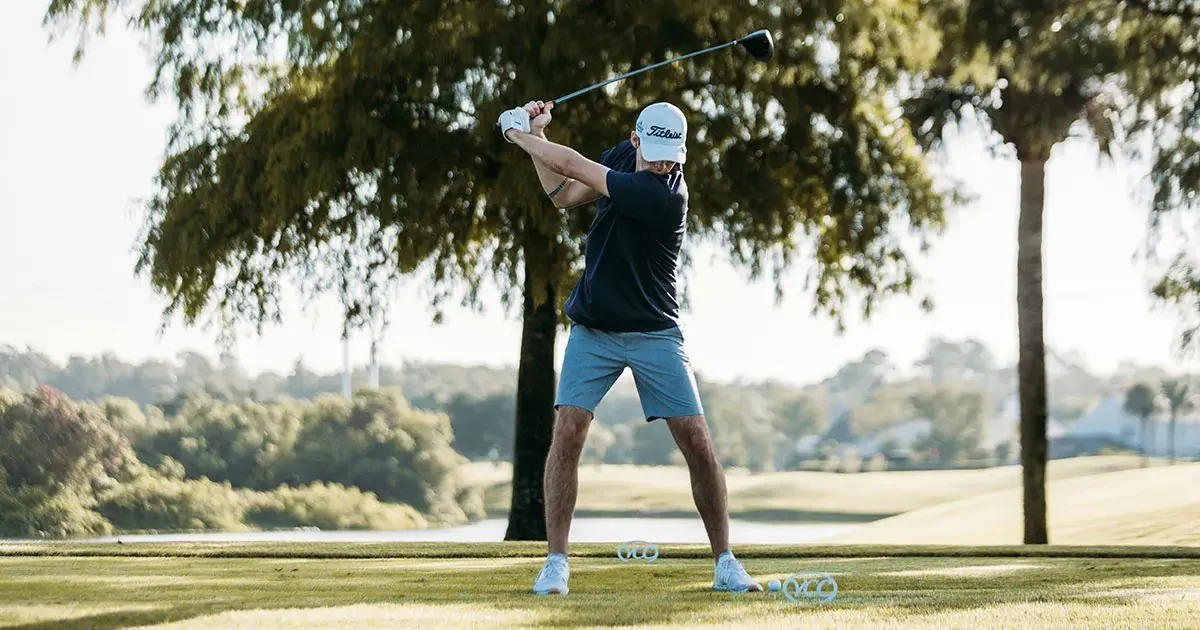
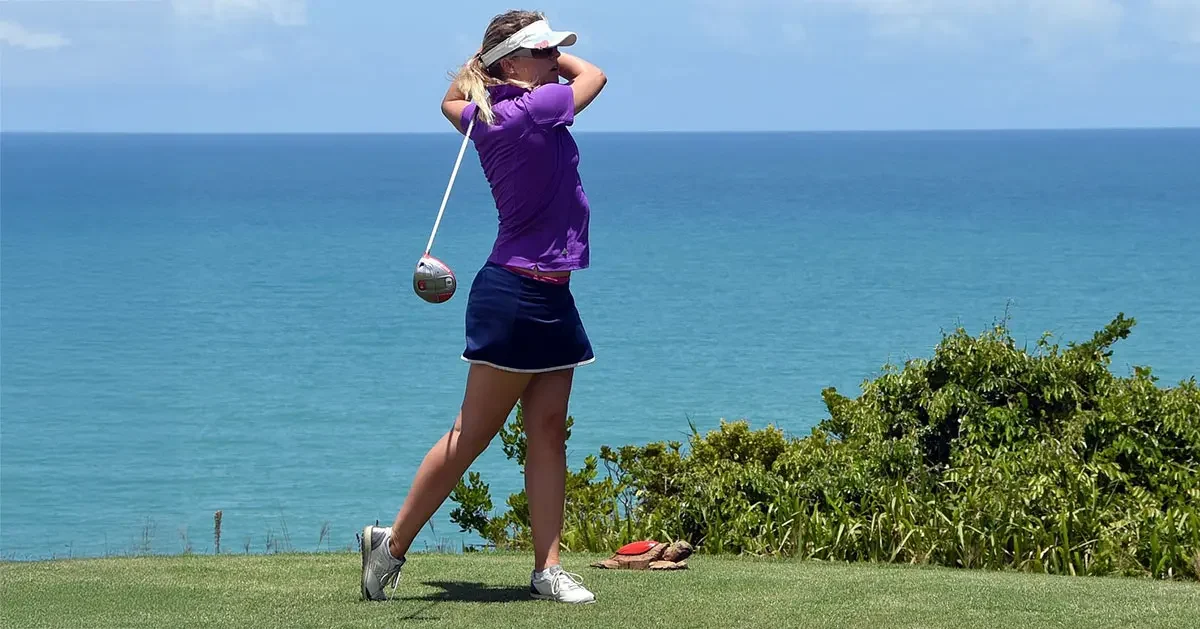
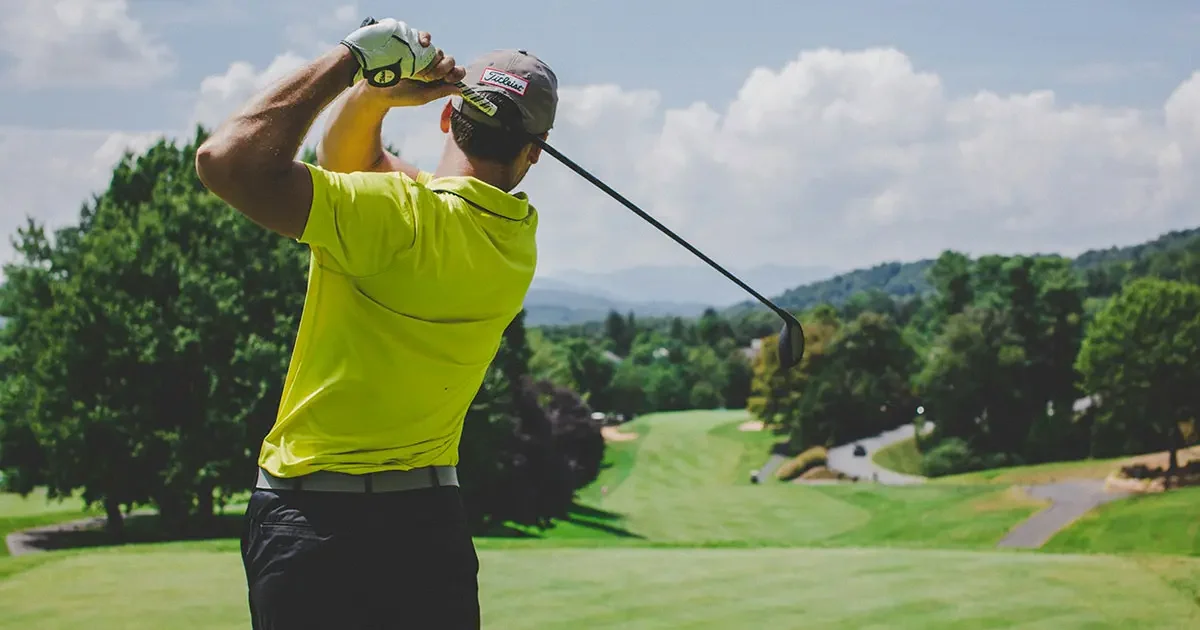
Golf is rotational, asymmetrical and repetitive.
The golf swing requires:
- Rotational mobility through the spine and hips
- Controlled stability through the pelvis and trunk
- Force transfer from the ground up
- Repeated loading over 18 holes
- Speed under fatigue
Most rehab programmes are not designed specifically for the golf swing.
They are designed to restore general function.
That gap matters.
Pain-Free Does Not Equal Golf-Ready
One of the most common things golfers say after rehab is:
“I don’t fully trust it.”
Even if pain has improved significantly.
Pain reduction is only one marker of recovery.
True return-to-golf readiness requires:
- Confidence under rotation
- Tolerance to repeated swings
- Stability at speed
- Recovery the next day without a flare-up
If these boxes are not ticked, the nervous system remains protective.
When the body feels uncertain, subtle compensations begin:
- Shortening the backswing
- Decelerating through impact
- Shifting weight differently
- Guarding the injured side
- Avoiding certain shots
These changes may not feel dramatic, but over time, they can recreate overload.
Why Symptoms Often Return After Returning to Golf
When golfers return to the course too soon, one of two things usually happens:
- The body copes until fatigue exposes a weak link.
- The nervous system tightens in anticipation of threat.
Neither means the injury failed to heal.
It often means the rehabilitation process did not fully integrate golf-specific loading.
Being pain-free in a clinic is different from tolerating:
- 60–90 full swings
- Variable lies
- Uneven ground
- Competitive pressure
- Back-to-back rounds
If rehab does not progressively prepare you for these demands, symptoms can return.
The Missing Middle Phase of Rehab
There is a critical phase between:
“Pain is reduced”
and
“Return to full golf.”
This is where many programmes stop.
That missing middle phase should include:
- Rotational strength progression
- Controlled power development
- Gradual speed exposure
- Golf-specific movement drills
- On-course load planning
- Fatigue tolerance testing
Without this stage, golfers are often discharged too early.
What Proper Golf Rehabilitation Should Include
Effective golf rehabilitation goes beyond symptom management.
It should assess:
- Rotational mobility through the thoracic spine and hips
- Pelvic control during weight transfer
- Asymmetrical loading patterns
- Compensation strategies
- Ground force contribution
- Swing-related stress patterns
And it should progressively rebuild:
- Mobility
- Stability
- Strength
- Power
- Speed
- Confidence
Rehabilitation must move from general exercises to golf-specific integration.
Only then can you truly say you are ready to return to golf.
Signs You Are Not Yet Golf-Ready
You may not be fully prepared to return to golf if:
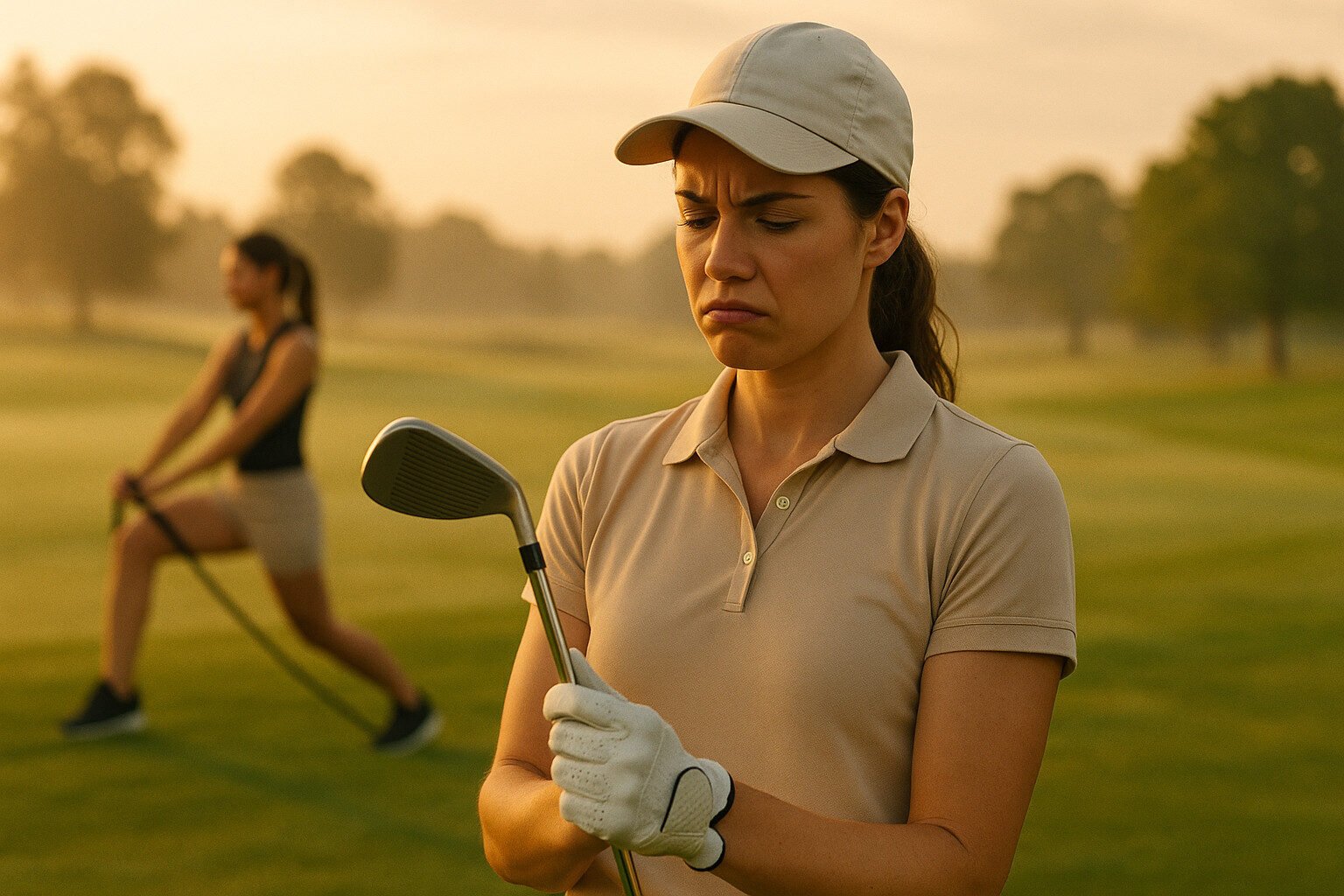
- You feel hesitant over the ball
- You brace before rotating
- You fatigue quickly
- You wake up stiff after a round
- You avoid certain shots
- You feel better in the clinic than on the course
These are not signs of weakness.
They are signs of incomplete progression.
The Real Goal of Golf Rehab
The goal of golf rehabilitation is not simply to remove pain.
It is to restore trust in your body under golf-specific demand.
That requires:
- Structured progression
- Objective testing
- Movement assessment
- Rotational loading tolerance
- Confidence under speed
Rehab truly works when:
- You can rotate without guarding
- You can swing at speed without hesitation
- You can play 18 holes without a flare-up
- You wake up the next day feeling stable
That is what golf-ready actually means.
Final Thoughts
If you have completed rehabilitation but still feel uncertain about returning to golf, it does not mean you are broken.
It likely means your programme stopped at symptom resolution rather than performance integration.
Golf-specific rehab bridges that gap.
Because rehab does not fully work
until it works on the course.